
Disclosure: Some links on this page are affiliate links. We may earn a commission if you make a purchase, at no extra cost to you. As an Amazon Associate I earn from qualifying purchases.
Quick Comparison
| Feature | Roborock Saros 20 Flow | Roborock Saros 20 Sonic |
|---|---|---|
| Published suction | 36,000 Pa | 36,000 Pa |
| Mop system | SpiraFlow 2.0 self-cleaning roller | VibraRise 5.0 vibrating mop |
| Double-layer threshold claim | Up to 3.46 in total under Roborock’s stated test geometry | Up to 3.46 in total under Roborock’s stated test geometry |
| Body / low-clearance figure | 3.54 in body height | 3.14 in body; down to 3.13 in low-clearance capability |
| Hair management | Dual anti-tangle system | Dual anti-tangle system |
| Best fit | Hard-floor-heavy homes and frequent wet messes | Mixed/carpet-heavy homes and VibraRise preference |
The Short Answer
These two robots share much of the same premium Saros foundation. Both carry a 36,000 Pa manufacturer suction rating, advanced anti-tangle hardware, strong threshold capability, and a new-generation dock.
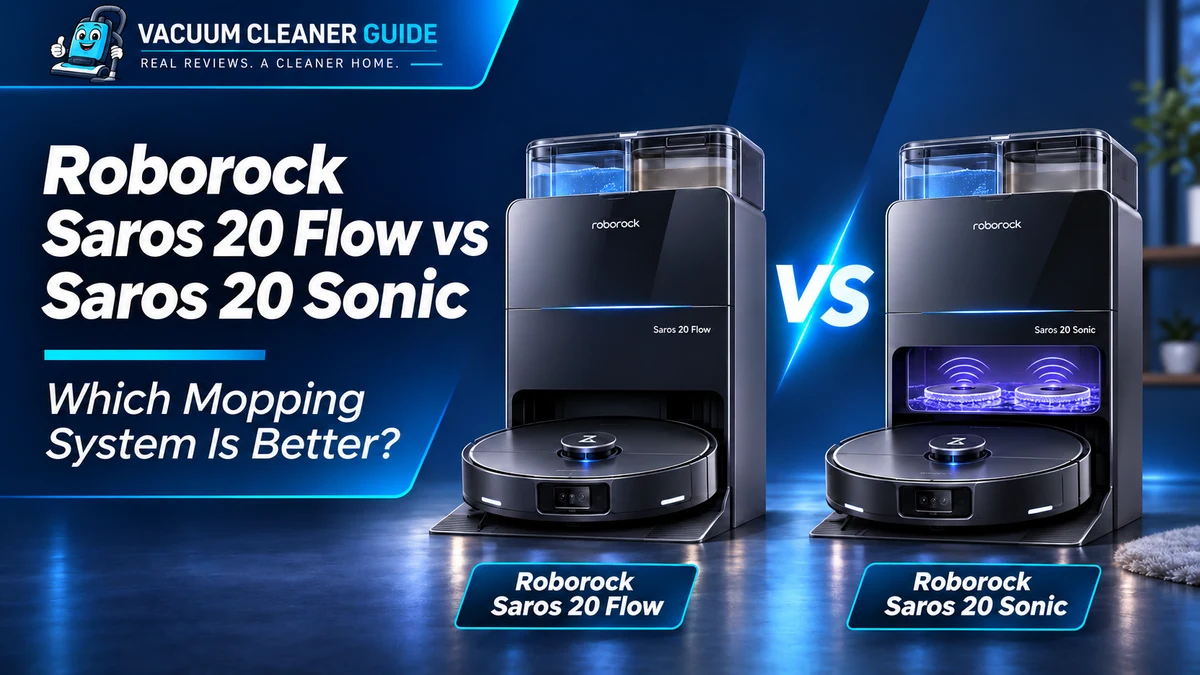
The real decision is the mop. Saros 20 Flow uses SpiraFlow 2.0, a pressurized roller system that continuously refreshes the mop during cleaning. Saros 20 Sonic uses VibraRise 5.0, a high-frequency vibrating pad system.
For hard-floor-heavy homes that care most about wet cleaning, Flow is the more interesting design. For buyers who already trust VibraRise and want a slimmer robot with familiar carpet behavior, Sonic can be the better fit.
Daily Deals
Current category offers. Verify the final price at Amazon.

Dreame X60 Ultra Robot Vacuum
$1499.99 $999.99 33% OFF

ECOVACS DEEBOT T90 PRO OMNI
$799.99 $499.00 38% OFF

eufy Robot Vacuum Omni S2
$1599.99 $949.99 41% OFF

Roborock Q7 M5+
$359.99 $199.99 44% OFF
As an Amazon Associate I earn from qualifying purchases.
The Mopping Systems Work Differently
Flow’s roller is designed to rotate while fresh water is delivered through multiple outlets. Dirty water is managed separately so the roller can present a cleaner surface as it moves across the floor.
Sonic uses a vibrating mop platform. Roborock lists high-frequency motion and downward pressure, with the mop extending toward edges and lifting or detaching when the robot needs to protect carpet.
Neither system is automatically superior. Roller mopping emphasizes continuous refresh. Sonic scrubbing emphasizes repeated mechanical agitation at the contact surface.
Flow Is the Stronger Choice for Frequent Wet Messes
Kitchens, dining rooms, pet-feeding areas, and large sealed-hard-floor spaces are where Flow makes its strongest case.
A roller that is being refreshed during the cleaning pass is designed to reduce how much dirty residue is carried from one part of the room to another. Roborock also pairs the system with warm-water behavior and high-temperature dock washing under stated conditions.
If you routinely clean dried spills, muddy paw prints, and sticky food residue, Flow’s architecture is easier to justify than if your robot mostly handles light dust.
Sonic Keeps Roborock’s Proven VibraRise Philosophy
Saros 20 Sonic is the continuation of Roborock’s vibrating-mop approach. The newer VibraRise 5.0 system adds stronger mechanical cleaning while retaining the ability to respond to carpet.
That familiarity has value. Existing Roborock owners who already like the way VibraRise handles mixed flooring do not have to switch to a completely different mop architecture.
Sonic is also thinner on paper, which can matter more than mop type if your furniture clearance is tight.
Vacuuming Is Much Closer Than Mopping
Both carry the same 36,000 Pa maximum digital-motor specification and both use dual anti-tangle hardware.
That means the vacuuming decision should focus less on suction and more on how each model interacts with carpet, hair, obstacles, and the mop system.
Homes dominated by carpet may not gain as much from Flow’s roller advantage. In that situation, Sonic’s carpet-aware mop behavior can make the overall package more balanced.
Thresholds and Mobility
Both robots are designed to handle unusually difficult room transitions. Roborock specifies up to 3.46 inches as the combined height of a double-layer threshold under its stated test geometry; that is not a promise that either robot will climb a single vertical ledge of the same height.
That does not mean either robot will climb every object of that height. Threshold shape, spacing, traction, and surrounding geometry matter.
Still, the shared AdaptiLift philosophy makes these robots much more interesting for homes where a conventional robot gets trapped by rails, thick transitions, or elevated room dividers.
Low Furniture
Sonic has a 3.14-inch body and Roborock lists low-clearance capability down to about 3.13 inches under stated conditions, while Flow is 3.54 inches tall.
That gives Sonic a real advantage under low sofas, cabinets, and beds.
Before paying for either robot, measure the furniture that matters. A fraction of an inch can determine whether the robot cleans under an entire couch or never enters the space.
The Better Choice Depends on Your Floor Mix
Hard-floor-heavy homes give Flow the clearest opportunity to justify itself. Kitchens, dining rooms, and pet areas generate sticky debris that benefits from a roller being continuously refreshed.
Carpet-heavy homes reduce that advantage because mopping occupies less of the robot’s workload. Sonic can then become more attractive because its lower body and VibraRise behavior fit a mixed vacuum-and-mop routine well.
Homes with both surfaces should think room by room. If a large open kitchen and living area is mostly hard floor, Flow may still be the better overall system even when bedrooms are carpeted. If the hard-floor areas are small and the robot spends most of its time vacuuming rugs and carpet, Sonic can be the more balanced purchase.
Dock and Maintenance
Both models use Roborock’s newer RockDock approach, with automated mop washing, drying, water handling, and dust emptying.
Flow’s dock must support the roller’s continuous-refresh architecture, while Sonic’s dock manages the vibrating mop system.
The practical ownership question is the same for both: do you have room for the dock and are you comfortable maintaining water tanks, detergent, wash surfaces, and consumables? Automation reduces daily work but does not eliminate maintenance.
Which One Should You Buy?
Choose Saros 20 Flow if hard-floor washing is your top priority and you want a continuously refreshed roller.
Choose Saros 20 Sonic if you want the thinner body, prefer Roborock’s vibrating-mop system, or have a more carpet-heavy home.
If your floors are evenly mixed, the decision comes down to which mopping philosophy you trust more. Their vacuuming and mobility specifications are close enough that the mop is the meaningful separator.
Flying Off the Shelves
Popular picks from this category. Verify availability and price at Amazon.
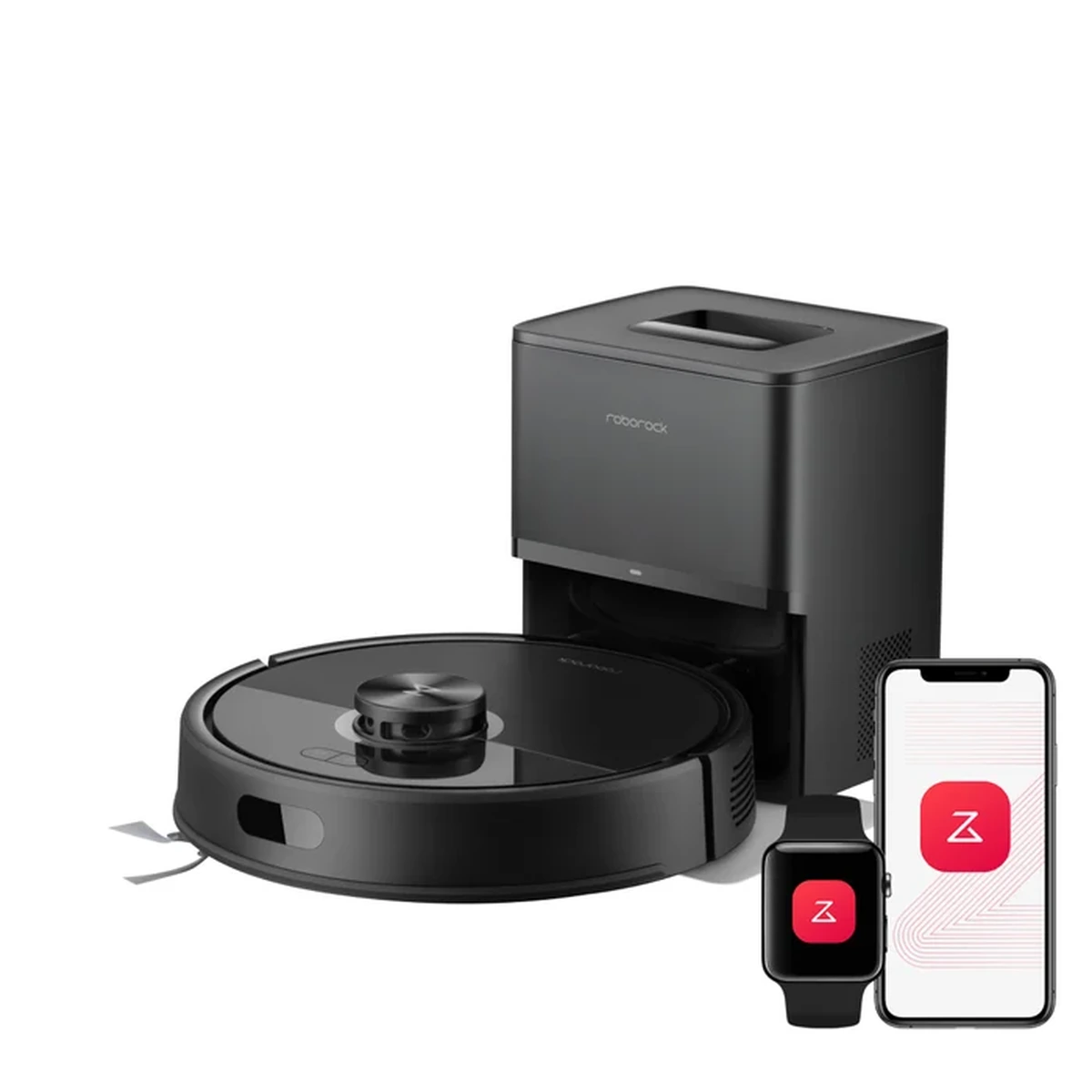
Roborock Q7 M5+
Current Amazon marketplace bestseller; historical trend not yet established
Check Amazon price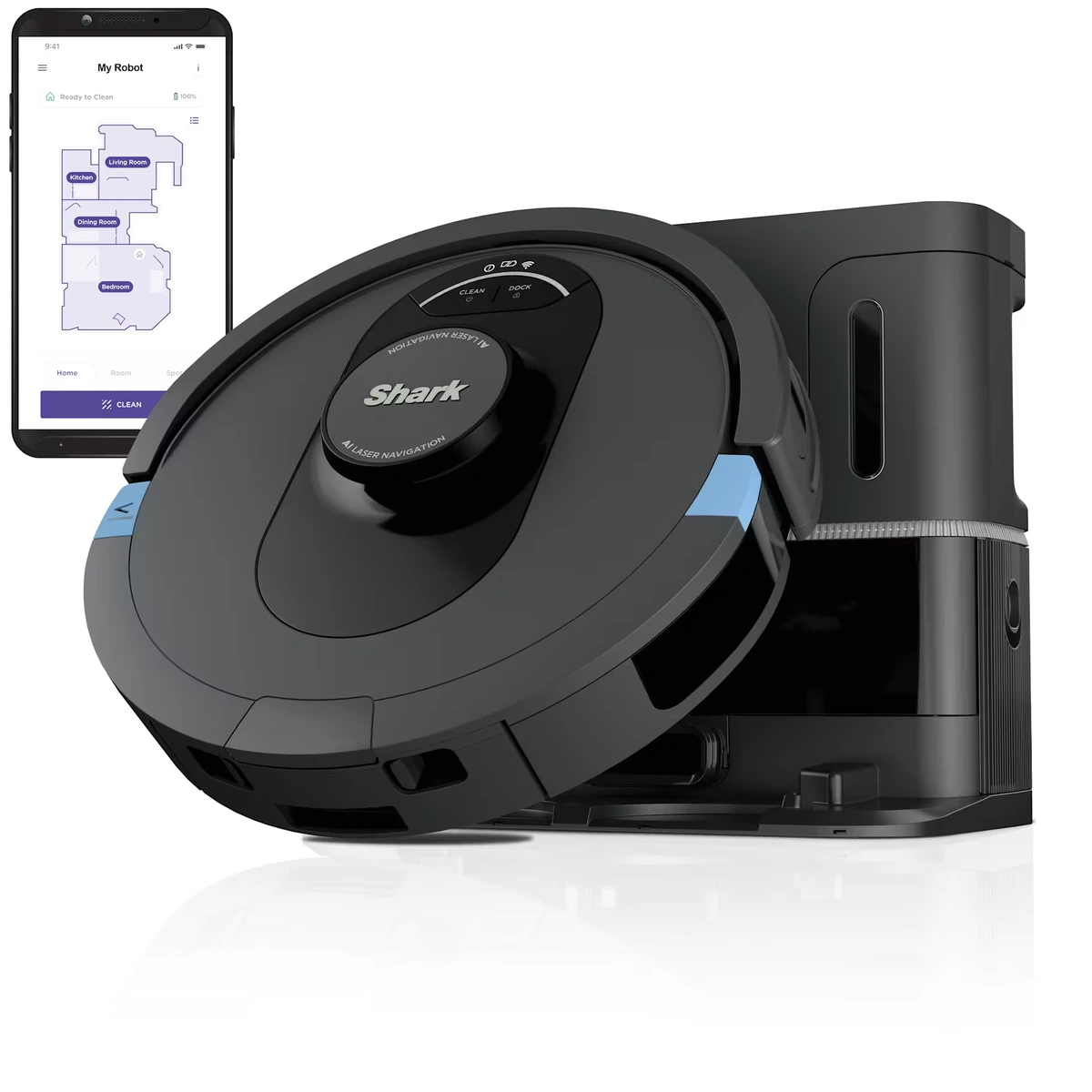
Shark AV2501S AI Ultra
Current Amazon marketplace bestseller; historical trend not yet established
Check Amazon price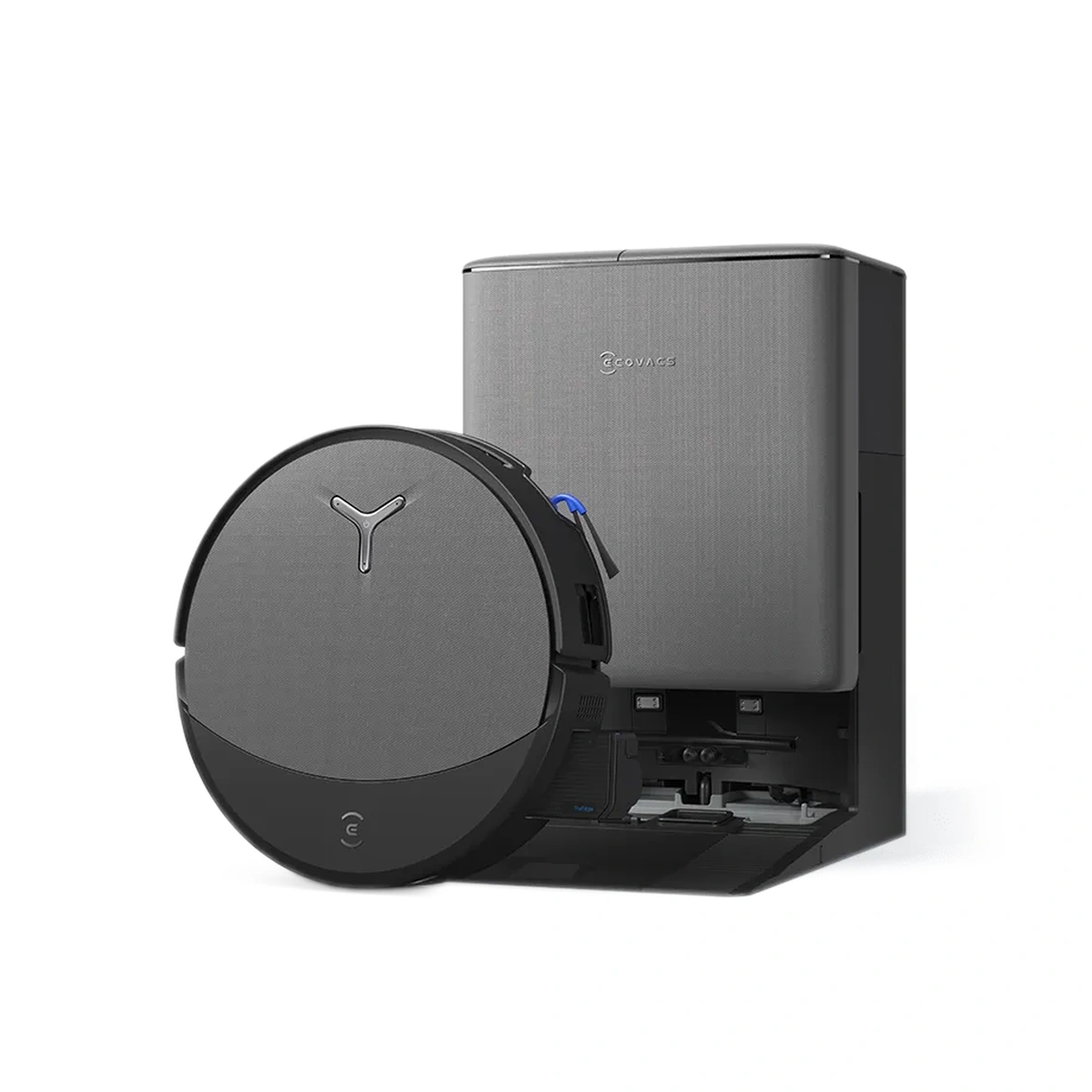
ECOVACS DEEBOT T90 PRO OMNI
Current Amazon marketplace bestseller; historical trend not yet established
Check Amazon price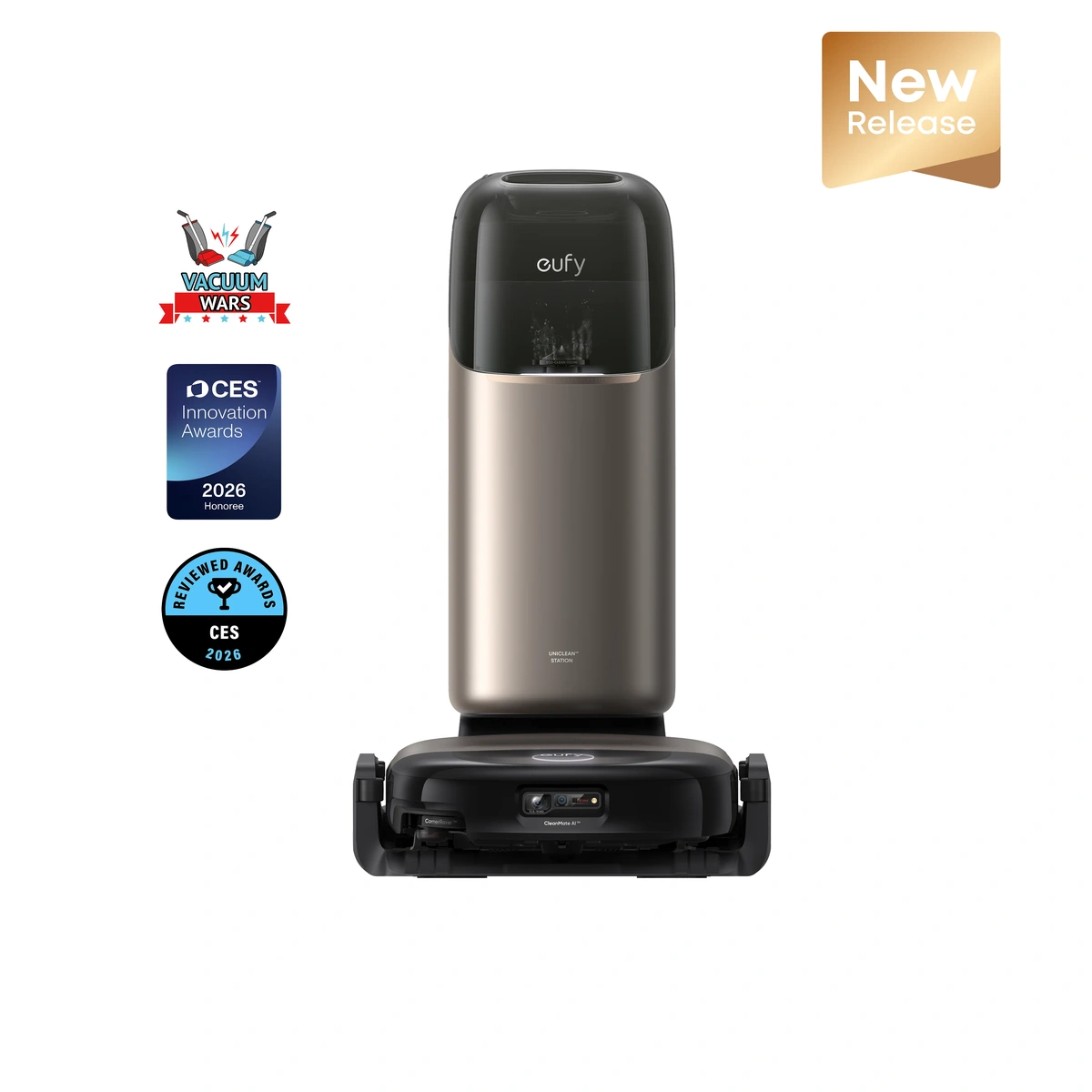
eufy Robot Vacuum Omni S2
Current Amazon marketplace bestseller; historical trend not yet established
Check Amazon priceAs an Amazon Associate I earn from qualifying purchases.
Frequently Asked Questions
Do Flow and Sonic have the same suction? Roborock lists both at 36,000 Pa maximum digital-motor power.
Which is better for sticky spills? Flow has the stronger design case because of its continuously refreshed roller architecture.
Which is better under low furniture? Sonic. Its body is about 3.14 inches tall, with Roborock listing low-clearance capability down to about 3.13 inches under stated conditions.
Which is better for carpet? Sonic may be easier to justify for carpet-heavy homes because its VibraRise system is built around lifting and detaching the mop as needed.
Is Flow simply a newer version of Sonic? No. They are parallel approaches built around different mopping systems.
Final Verdict
Choose Saros 20 Flow if continuously refreshed roller mopping is the reason you are upgrading. Choose Saros 20 Sonic if you prefer Roborock’s vibrating-mop architecture and want a slightly lower-profile robot with strong carpet-aware behavior.
Best for Different Types of Homes
Flow is easiest to recommend in a home dominated by tile, sealed wood, vinyl, or other hard surfaces. The more floor area the robot actually mops, the more value you get from a roller that refreshes itself continuously. Large kitchens and open-plan living areas are especially good matches.
Sonic becomes more appealing as carpet takes a larger share of the floor plan. Its thinner body and VibraRise-based approach fit a home where mopping is important but not the robot’s main job.
Pet homes can go either way. Muddy paw prints and food-area messes favor Flow. Thick rugs, pet beds, and carpeted bedrooms can favor Sonic. The decision should follow where the mess happens, not which product name sounds newer.
Consumables, Dock Care, and Ownership Cost
Both systems automate a large amount of daily work, but their mop hardware creates different consumable and maintenance needs. Flow’s roller and water-management path need to stay clean for the self-refresh concept to work properly. Sonic relies on mop pads and vibrating hardware that also need washing and eventual replacement.
The docks add filters, dust bags or debris-management parts, detergent, water tanks, and cleaning trays to the ownership equation. A premium robot can reduce hands-on floor cleaning while increasing the number of small system components you maintain periodically.
Before buying, compare the current prices of mop components, brushes, filters, and dock consumables. Over several years, those costs matter more than a temporary launch discount.
Before You Buy: Measure the Home, Not Just the Spec Sheet
These robots are expensive enough that a few measurements are worth doing before checkout. Measure the lowest sofa, bed, and cabinet you want the robot to enter. Sonic’s lower body can become a decisive advantage if Flow misses an entire area by a fraction of an inch.
Measure difficult thresholds too. Roborock’s maximum threshold figures are based on specific shapes and multi-layer conditions. A tall square lip, sliding-door rail, or uneven transition may behave differently in your home. Knowing the actual obstacle helps you judge whether AdaptiLift is solving a real problem.
Then look at floor percentages. If most of the accessible area is sealed hard floor, Flow’s roller is likely to work during a larger share of every run. If carpet dominates, much of Flow’s specialized mopping hardware spends time lifted or inactive, which strengthens Sonic’s value case.
Finally, decide where the RockDock will live. The dock needs clearance for the robot, space to remove water tanks and dust storage, and access for cleaning. A great robot paired with an awkward dock location becomes less convenient than its automation promises.
A Note on Software and Updates
Both Saros models depend on the Roborock app for maps, room rules, carpet behavior, dock settings, and cleaning preferences. That means some ownership differences can change over time as firmware improves. Hardware still sets the limits: Flow will always be the roller-mop model and Sonic will always be the vibrating-mop model, but navigation behavior and cleaning logic can evolve. Keep the robot and app updated, then judge the machine by whether those updates improve the routines you actually use.
Current purchase options and availability:
- Roborock Saros 20 Flow:CHECK AMAZON PRICE ➜
A Saros 20 Sonic Amazon purchase button is not shown here because the current marketplace results do not establish a standalone exact robot offer. Some results are accessories for the Sonic rather than the robot itself, so verify the full product title and model before checkout.
Further reading:
Manufacturer references supporting the specifications above:
- https://us.roborock.com/pages/roborock-saros-20-flow
- https://us.roborock.com/pages/roborock-saros-20-sonic
Suction, body-height, temperature, and threshold figures are manufacturer-published specifications under stated conditions. Actual mopping, carpet pickup, obstacle crossing, and runtime can vary by home.