Handheld
Handheld Vacuums vs Cordless Stick Vacuums

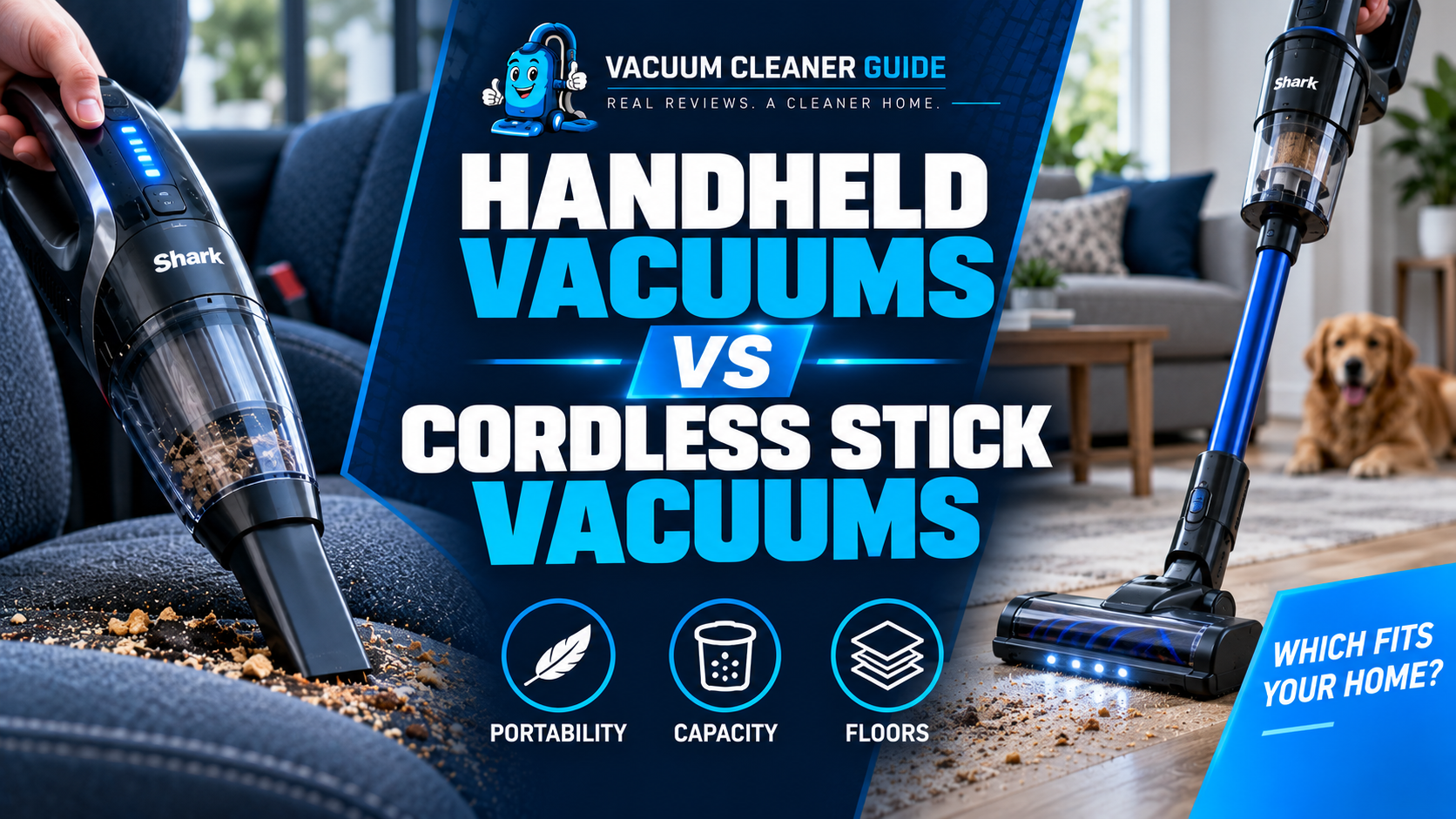
A handheld vacuum and a cordless stick vacuum solve different cleaning problems. A handheld is faster for seats, stairs, crumbs, desks, and other small targets. A cordless stick is easier for floors because the user can stand upright and cover a larger path.
The practical choice depends on whether this will be the home’s primary vacuum or a secondary tool. Most households should not expect one handheld to replace a floor vacuum. A small apartment with little carpet may manage with a convertible cordless stick, while a home that already has a capable primary vacuum may benefit more from a dedicated handheld.
Quick Picks
| Decision | Choose a handheld | Choose a cordless stick |
|---|---|---|
| Main job | Cars, upholstery, counters, desks, stairs | Carpet and hard floors |
| Storage | Drawer, shelf, dock, or tool cabinet | Wall mount or floor stand |
| Reach | Best with hose or small attachments | Best with wand and floor head |
| Runtime need | Short targeted sessions | Longer room-by-room cleaning |
| Best household role | Secondary cleanup tool | Primary everyday floor vacuum |
Choose a handheld vacuum when small jobs dominate
A handheld makes sense when the recurring mess is in a vehicle, on upholstery, beside a pet bed, across a countertop, or around electronics. It starts faster and is easier to aim than a stick vacuum converted to handheld mode.
Choose a cordless stick vacuum when floors dominate
A cordless stick is the better first purchase when most cleaning happens on carpet or hard floors. The wand, floor head, larger bin, and standing posture make it far more efficient across rooms.
Consider a convertible stick when storage is limited
Some cordless sticks convert into handheld mode. This saves storage space, but the motor unit may feel heavier and the attachments may be less convenient than those of a purpose-built hand vacuum.
Own both when the jobs are genuinely different
A capable floor vacuum plus a small handheld is often the least frustrating combination. The handheld handles immediate messes; the stick or upright covers routine floor cleaning.
Questions to ask before buying
- Will this be the primary vacuum or a secondary cleaner?
- Do floors or above-floor surfaces create most of the mess?
- Where will the machine charge and store?
- Do you need a powered pet tool, a flexible hose, or a full floor head?
- Would one shared replaceable-battery platform reduce cost?
For specific handheld recommendations, start with the best handheld vacuums. For floor-focused shopping, compare the site’s cordless vacuum guides.
The Bottom Line
Buy a handheld when the recurring mess is small, localized, and usually above the floor. A handheld is faster to grab for furniture, cars, desks, stairs, and quick pickups because you are not carrying a full floor-cleaning machine to solve a small problem. If that describes your routine, start with our Best Handheld Vacuums in 2026.
Handheld vacuums shoppers are buying heavily right now.
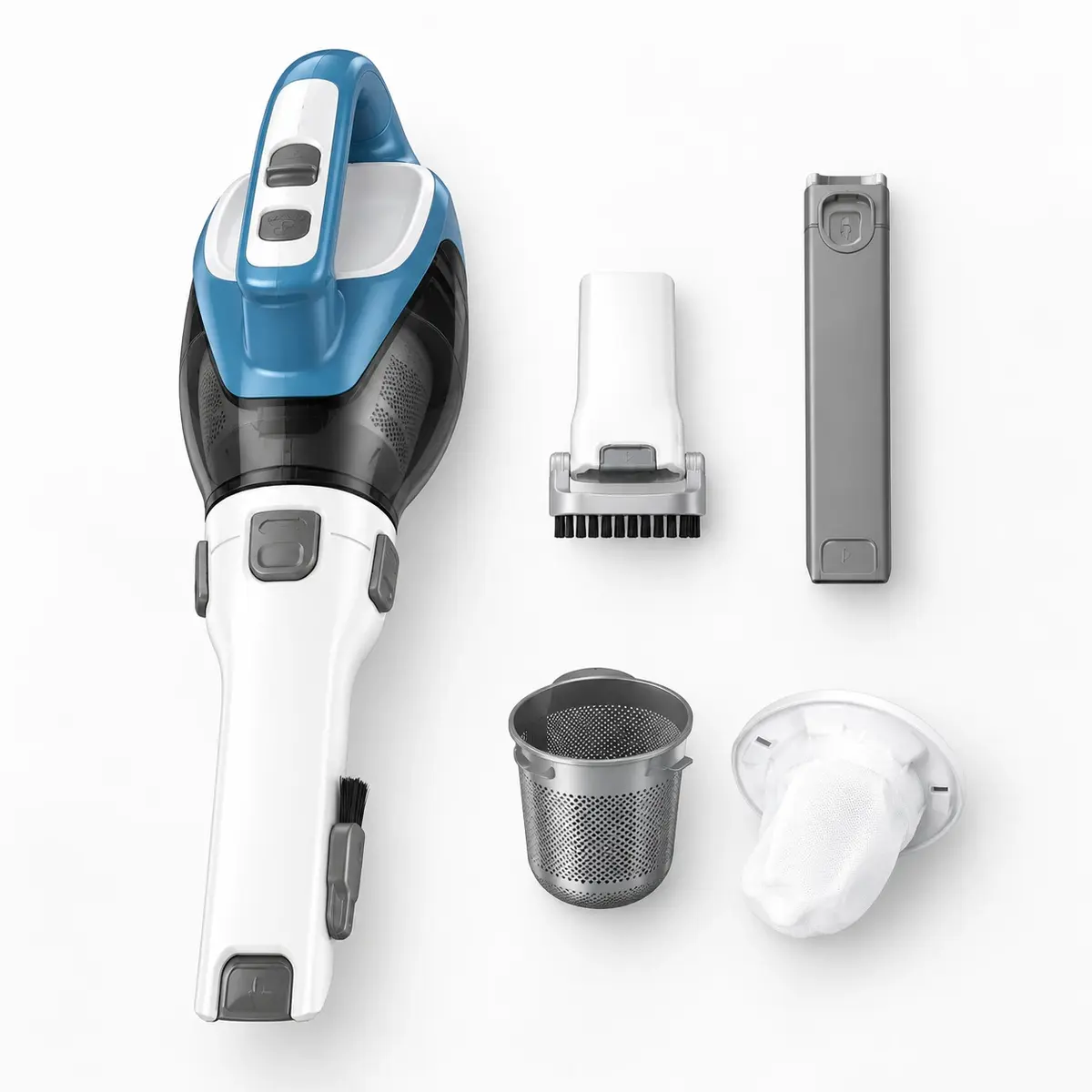
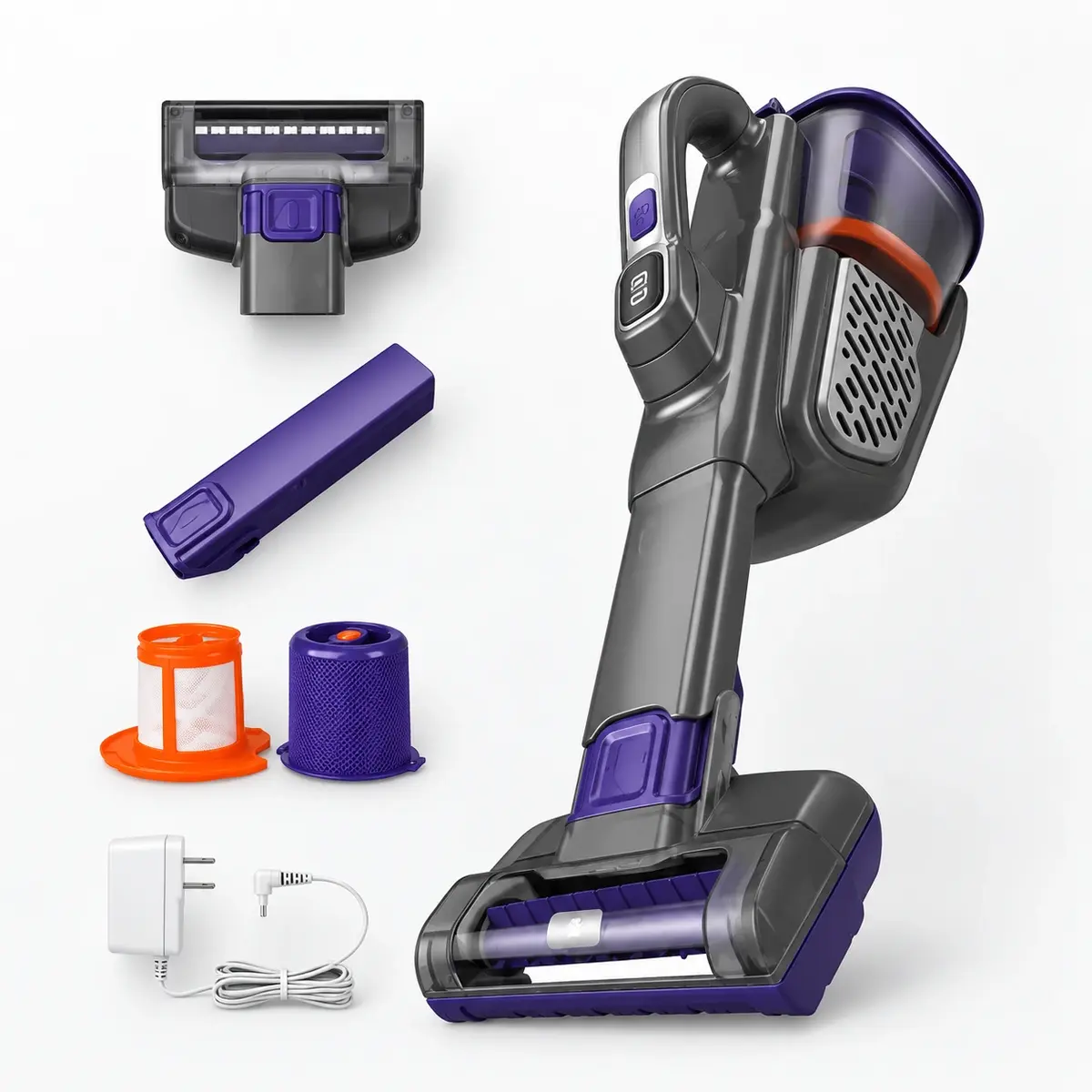
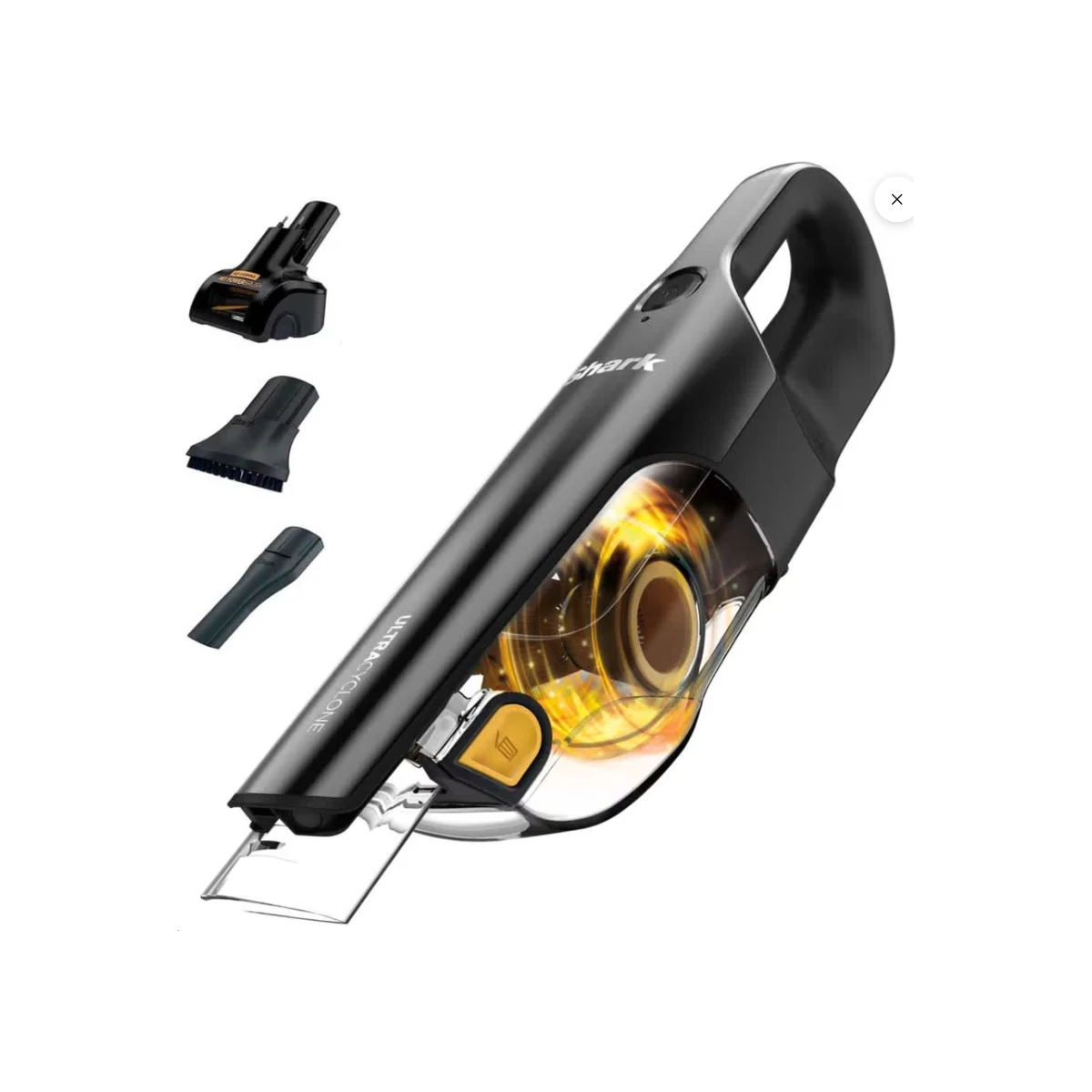
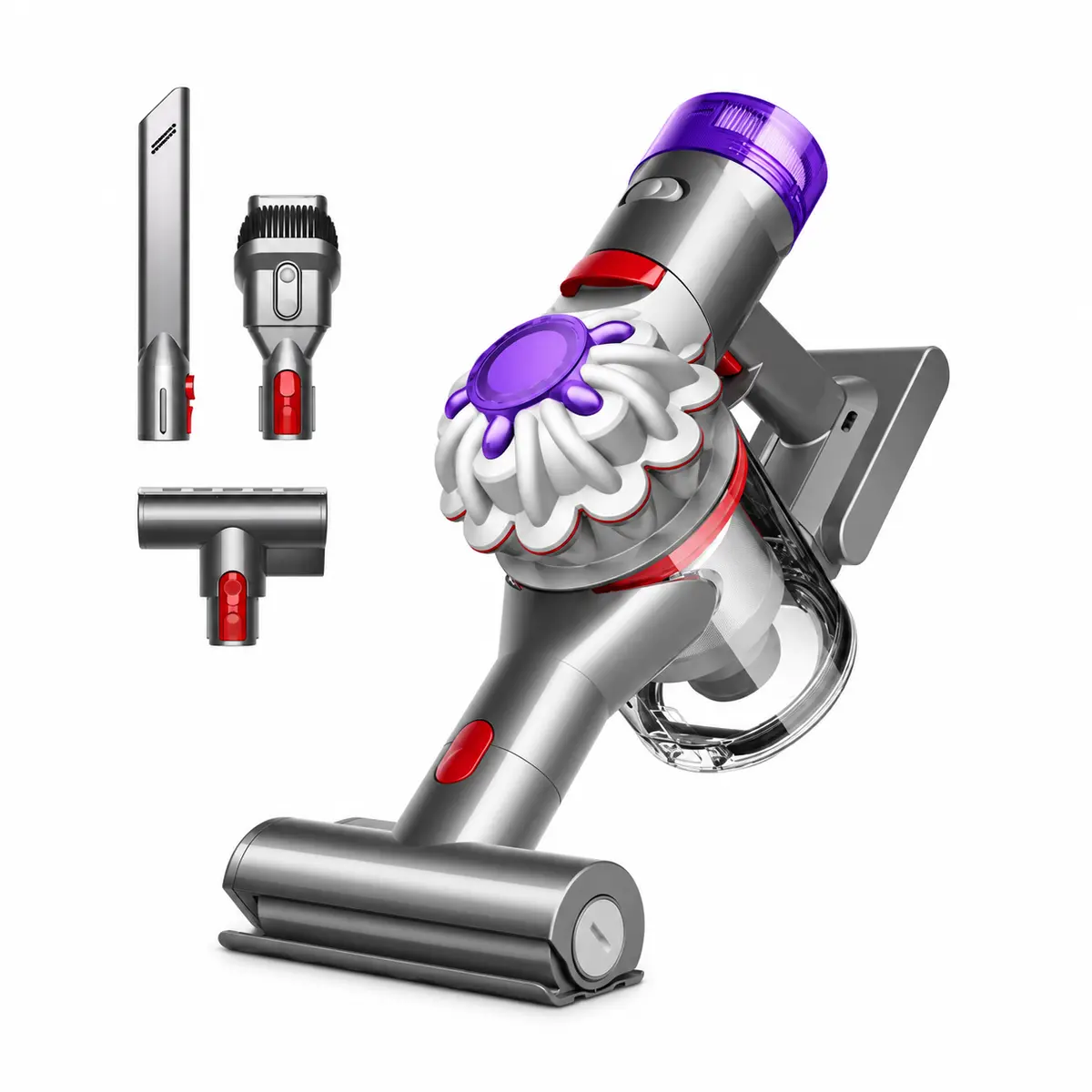
Based on current sales signals. Updated September 2026.
Buy a cordless stick when the machine must clean rooms and floors as its main job. The wand, floor head, larger bin, and standing cleaning position make a stick vacuum much more efficient across carpet and hard floors. Buyers shopping primarily for that role should compare the site’s cordless vacuum guides.
A convertible stick can bridge the gap, but the detached motor unit may still feel heavier and less convenient than a dedicated handheld. If budget and storage allow it, two purpose-built tools often make more sense: the stick handles routine floors, while the handheld stays ready for the small jobs that otherwise get postponed.
Frequently Asked Questions
Can a handheld vacuum replace a cordless stick?
Usually not. Handhelds lack the floor head, standing reach, bin capacity, and runtime needed for efficient whole-room cleaning. It can supplement a primary floor vacuum very well, but asking it to cover whole rooms usually turns a convenient tool into a slow one. Choose it as the main machine only when your cleaning area and expectations are genuinely small.
Is a convertible cordless stick as good as a handheld?
It can be adequate, but the detached motor unit may be heavier and less convenient than a dedicated handheld. The tradeoff is convenience: conversion takes an extra step and the handheld portion was designed as part of a larger floor vacuum. A dedicated handheld is easier to justify when above-floor cleanup happens frequently.
Which type is better for cars?
A handheld is normally better because its body and attachments fit seats, consoles, and footwells more easily. A stick vacuum can still help with open cargo areas or mats, but the handheld format is easier around seat rails and narrow trim. Attachments and reach matter more than floor-cleaning width inside a vehicle.
Which type is better for pet hair?
Use a cordless stick for floors and a handheld with a powered pet tool for furniture, stairs, beds, and vehicle upholstery. The important difference is the tool contacting the fabric: a powered brush can loosen hair that suction alone leaves behind. For occasional loose hair, a general-purpose handheld may still be enough.


6 Best Robot Vacuums With Obstacle Avoidance in 2026

6 Best Budget Robot Vacuums in 2026

6 Best Robot Vacuums for Carpet in 2026

6 Best Robot Vacuums in 2026

Handheld Vacuums vs Cordless Stick Vacuums

4 Best Handheld Vacuums for Allergies and Fine Dust in 2026

6 Best Cordless Vacuums With Removable Batteries in 2026

6 Best Cordless Vacuums With Strong Suction in 2026

6 Best Cordless Vacuums for Allergies in 2026

6 Best Cordless Vacuums With Docking Stations in 2026

6 Best Upright Vacuums With Height Adjustment in 2026
