
Tineco FLOOR ONE maintenance matters because a wet-dry floor washer handles dirty water, hair, crumbs, and cleaning solution in the same machine. That convenience comes with one non-negotiable tradeoff: you cannot treat it like a dry vacuum and forget about it in the closet for a week.
The best maintenance routine is short and consistent. Most odor and performance problems are easier to prevent than to clean up later.
See also: Tineco FLOOR ONE Beginner’s Guide
Disclosure: Some links on this page are affiliate links. We may earn a commission if you make a purchase, at no extra cost to you. As an Amazon Associate I earn from qualifying purchases.
Quick Picks
A strong FLOOR ONE option for first-time buyers: Tineco FLOOR ONE S7 Stretch Ultra
Tineco FLOOR ONE Maintenance After Every Cleaning Session
1. Empty the Dirty-Water Tank
Do this promptly. Dirty recovery water can contain food residue, pet hair, and organic debris. Letting it sit is an invitation to odor.
2. Rinse the Dirty-Water Tank and Removable Parts
Rinse away visible residue and hair. Pay attention to screens, filters, and channels identified in the manual for your model. Avoid forcing water into electrical components.
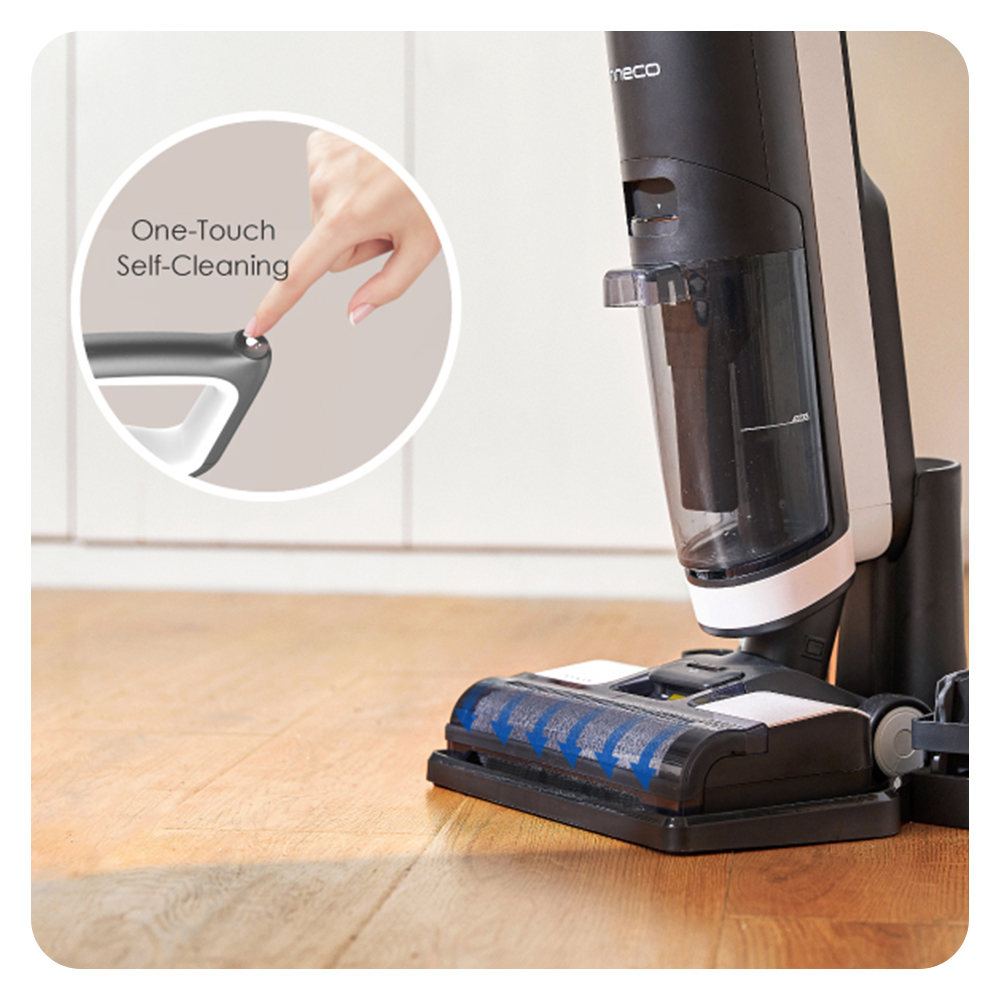
3. Run the Self-Cleaning Cycle
For supported models, place the machine on its charging dock or tray, make sure the dirty-water tank is empty, and keep enough clean water in the clean-water tank for the cycle. Tineco’s instructions vary by model, so follow the controls and minimum water/battery requirements for your machine.
4. Check the Brush Roll
Tineco recommends cleaning the brush roll after each use on several FLOOR ONE models. Even anti-tangle designs can collect hair, fibers, or sticky residue. Remove anything wrapped around the roller and rinse removable parts only as instructed by the manufacturer.
5. Let Wet Parts Dry
Do not reassemble obviously wet removable pieces into a sealed environment if the manual allows them to air-dry first. Drying reduces the chance of musty odors developing between uses.
Weekly Checks
- Inspect the brush roll for wear or embedded debris.
- Check the dirty-water tank seals and lid for residue.
- Inspect air channels for buildup.
- Look at filters and clean or replace them according to the model manual.
- Wipe the charging dock or storage tray.
Cleaning Solution: Less Improvisation Is Better
Tineco recommends its own low-foaming cleaning solution on FLOOR ONE models and warns that third-party detergents can generate too much foam. Do not add bleach unless your exact manual explicitly permits it; Tineco’s support guidance for multiple FLOOR ONE models says bleach is not recommended because it may damage the machine.
For more detail, see our guide to Tineco FLOOR ONE cleaning solution and whether alternative cleaners are safe to use.
Water Temperature
Normal tap water is generally fine. Tineco’s support guidance lists a usable range on some models but also warns against hot water because it can damage internal pipes. Follow the temperature guidance for your exact model.
Storage
Store the machine upright on its intended dock or tray in a dry location. If the machine will sit unused for a long period, check the model manual for battery-storage guidance. For battery-powered Tineco products, long-term storage recommendations can include periodic charging.
If Your Tineco Starts to Smell
- Empty and thoroughly rinse the dirty-water tank.
- Inspect and clean the brush roll.
- Check filters and air channels.
- Clean the dock or tray.
- Make sure removable wet components are drying properly.
The Bottom Line
The self-cleaning button makes maintenance easier; it does not eliminate maintenance. Empty the dirty tank, rinse the dirty parts, run self-cleaning, inspect the roller, and let wet components dry. That routine takes a few minutes and is far easier than trying to rescue a machine that has been storing dirty water for days.
Frequently Asked Questions
How often should you empty the dirty-water tank?
Empty it promptly after each cleaning session. Dirty recovery water can contain food residue, pet hair, and other debris that can create odor if it sits in the tank.
Should you run the self-cleaning cycle after every use?
For models that support self-cleaning, running the cycle after normal use is a good routine. Follow the exact model instructions for tank levels, dock position, and battery requirements.
Should removable wet parts air-dry before reassembly?
If the manual allows the parts to air-dry, letting them dry before sealing the machine back up can help reduce musty odors between cleaning sessions.
Why does a Tineco FLOOR ONE start to smell?
Common causes include dirty water left in the tank, residue on the brush roll, buildup in filters or air channels, and wet removable parts that are not drying properly.